Is Social Media Ruining Your Teen's Mental Health? Here's the Truth
- madworldwellness
- Dec 4, 2025
- 5 min read
If you're watching your teenager scroll endlessly through TikTok, Instagram, or Snapchat, you're probably wondering: is this actually damaging their mental health? The short answer isn't as simple as yes or no: but the research reveals some eye-opening truths every parent needs to know.
Social media's impact on teen mental health is like a double-edged sword. While it can provide genuine support and connection, it also creates real psychological risks that are affecting an entire generation of young people.
The Concerning Reality: Negative Effects Are Real
Let's start with the facts that might make your stomach drop. Recent research shows that teens spending more than 3 hours daily on social media face double the risk of developing mental health problems, including depression and anxiety symptoms.
Here's what's happening behind the scenes: about 45% of teens now report spending too much time on social media: that's up from 36% just in 2022. The effects hit differently depending on gender, with teen girls bearing the brunt of the impact. A staggering 25% of girls say social media hurts their mental health, compared to 14% of boys. Even more concerning? Half of all girls report that social media negatively affects their sleep.
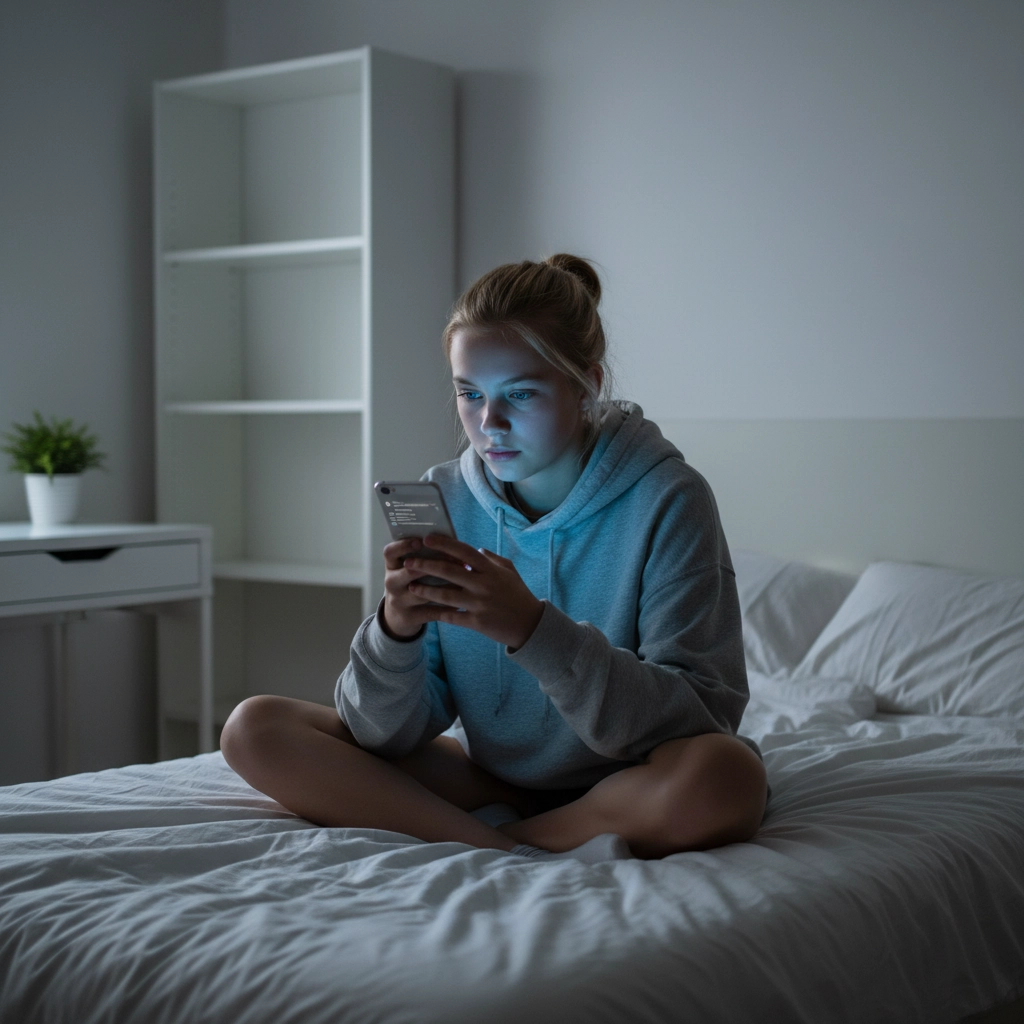
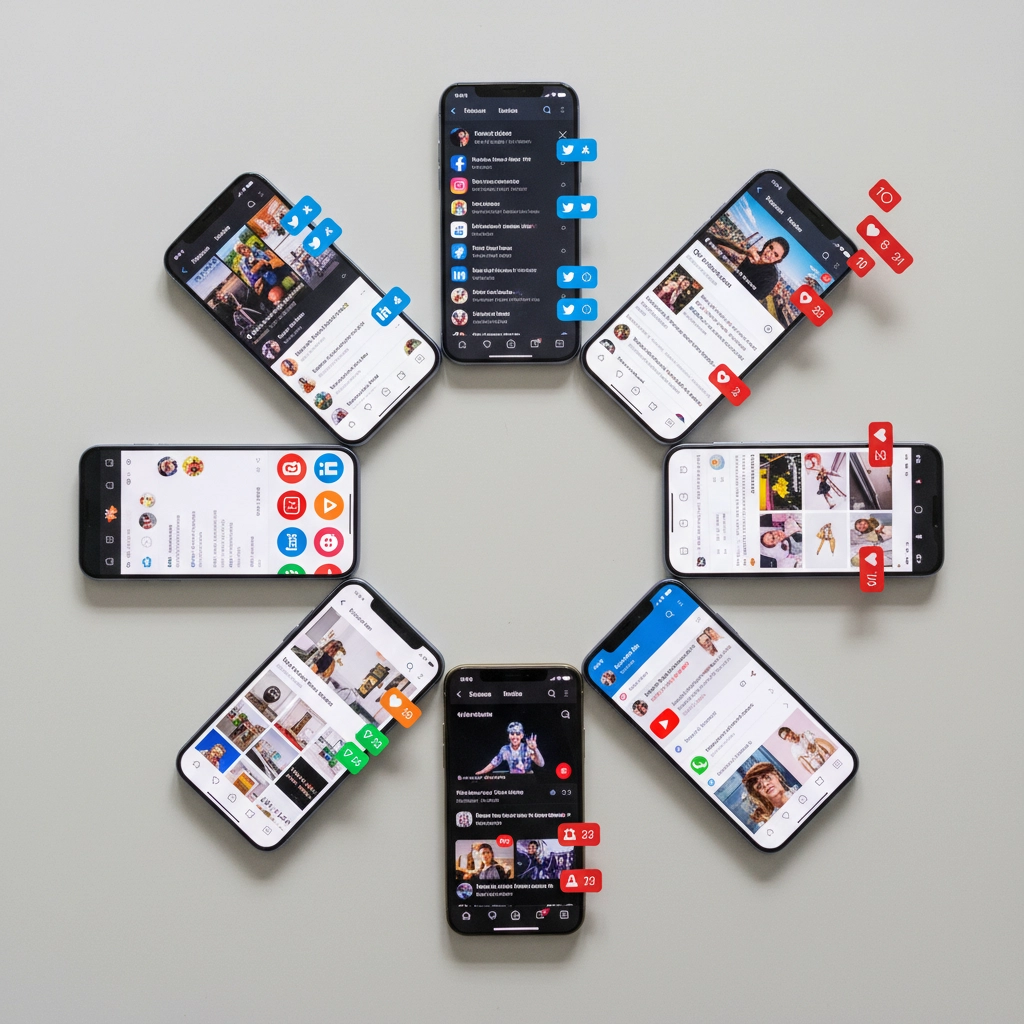
The platforms themselves are designed to keep users hooked. Social media companies use sophisticated algorithms that create dopamine-driven feedback loops through likes, shares, and endless content streams. Your teen isn't lacking willpower: they're up against billion-dollar companies whose business model depends on capturing and holding their attention.
The typical teenager now spends 3-6 hours daily scrolling, often late into the night. This isn't just "screen time": it's time stolen from sleep, physical activity, homework, and real-world social connections that are crucial for healthy development.
The Drama and Pressure Are Overwhelming Teens
Beyond the addictive design, the social dynamics of these platforms create intense pressure. About 40% of teens report feeling overwhelmed by online drama, while 31% experience constant pressure to post content that will be popular and well-received.
The fear of missing out (FOMO) is real and measurable. When teens see curated highlight reels of their peers' lives, they inevitably compare their behind-the-scenes reality to everyone else's carefully edited presentation. This comparison trap leads to feelings of inadequacy and social exclusion.
Cyberbullying adds another layer of harm. Children aged 11-12 who experience cyberbullying are 2.62 times more likely to report suicidal thoughts or attempt suicide one year later. They're also 2.31 times more likely to experiment with drugs or alcohol as coping mechanisms.
But Here's What Might Surprise You: Social Media Isn't All Bad
Before you confiscate every device in your house, there's another side to this story. About 52% of teens say social media platforms make them feel more accepted and supported during tough times.
For teenagers who struggle with social skills or feel isolated in their offline communities, online connections can serve as a genuine lifeline. Some teens find supportive communities around shared interests, mental health challenges, or identity exploration that they can't access in their immediate environment.
The key difference lies in how teens use these platforms. Active engagement: actually sharing thoughts, commenting meaningfully, and directly messaging friends: tends to strengthen relationships and increase happiness. Passive scrolling through feeds, however, consistently correlates with negative mental health outcomes.
What the Latest Research Actually Reveals
A comprehensive study involving thousands of young people found something crucial: increased social media use predicts increased depressive symptoms, but higher depression levels don't predict increased social media use later.
This finding suggests that social media is actually contributing to mental health problems rather than simply being a place where struggling teens happen to gather. The platforms themselves are part of the problem, not just a neutral tool being used by teens who are already having difficulties.

Teens are becoming increasingly aware of these effects. About 22% now cite social media as the main factor affecting youth mental health overall. Nearly half (45%) say these platforms hurt their sleep quality, and 40% report decreased productivity because of their social media use.
How to Know if Your Teen Is Struggling
Watch for these warning signs that social media use might be negatively impacting your teenager:
Sleep disruption or staying up late scrolling
Dramatic mood changes after using social media
Withdrawal from family activities or in-person friendships
Anxiety when unable to check their phone or when posts don't receive expected engagement
Comparing themselves negatively to others online
Secretive behavior about their online activities
Creating Healthier Social Media Habits
The solution isn't necessarily to eliminate social media entirely: that might actually isolate your teen from their peer group. Instead, focus on creating healthier usage patterns:
Set clear time boundaries. Keep usage under 3 hours daily and establish phone-free times, especially during meals and before bedtime.
Encourage active over passive use. Help your teen understand the difference between mindlessly scrolling and intentionally connecting with friends.
Create tech-free zones. Bedrooms and family gathering spaces work better without constant notification pings.
Model healthy digital habits. Your own relationship with social media and devices sets the tone for your family.
Keep communication open. Regular, non-judgmental conversations about their online experiences help you stay connected to their digital world.

When Professional Support Makes a Difference
Sometimes the impact of social media on your teen's mental health requires more than just household rule changes. Consider seeking professional help if you notice persistent mood changes, social withdrawal, dramatic changes in academic performance, or if your teen expresses feelings of hopelessness or self-harm.
Mental health professionals who specialize in working with adolescents understand the unique challenges of growing up in a digital world. They can help teens develop healthy coping strategies, address underlying mental health concerns, and navigate the complex social dynamics of both online and offline relationships.
The Bottom Line for Parents
Social media isn't universally ruining teen mental health, but it does pose genuine risks that require your attention and involvement. The effects depend heavily on how it's used, how much time is spent, what type of content is consumed, and your individual teen's vulnerabilities.
Rather than viewing social media as completely good or bad, approach it as a powerful tool that requires guidance and boundaries: just like driving a car or handling money. Your teen needs your help navigating this digital landscape safely.
The mental health crisis among teenagers is complex and multifaceted, but social media plays a demonstrable role through its addictive design, exposure to harmful content, and the way it can replace crucial in-person social development.
Your awareness and involvement can make all the difference in helping your teen develop a healthy relationship with social media while protecting their mental wellbeing.
If you're concerned about your teen's mental health or need support navigating these challenges, the team at Mad World Wellness specializes in helping families through exactly these kinds of situations. Sometimes having a professional perspective can...
Comments